

10 Foods for Heart Health: What the Research Really Says
Disclosure: Some links in this article are affiliate links. As an Amazon Associate we earn from qualifying purchases, and we may earn a commission if you buy through links to Amazon, at no extra cost to you. We link only to foods here, not supplements, and we choose products on their merits. Read our full Affiliate Disclosure.

No single food clears or unclogs your arteries, but what you eat every day can support a healthy heart. Eating patterns built around vegetables, fruit, whole grains, nuts, fish and olive oil are linked to a lower risk of heart disease and stroke, according to Mayo Clinic (opens in a new tab) and the Heart and Stroke Foundation (opens in a new tab).
This guide looks at ten foods that often come up in conversations about heart and artery health: extra-virgin olive oil, sardines and other fatty fish, walnuts, ground flaxseed, leafy greens and beets, kiwi, pomegranate, cacao, garlic, and natto. For each one you will find why it may help, how much to eat, a natural tip, and an honest note about what the research does and does not show. We have ordered them from the strongest evidence to the earliest, not by popularity.
Foods support your heart, they do not replace treatment
This article is general information, not medical advice. Studies on single foods are often small, short, or done in specific groups of people. A heart-healthy eating pattern supports cardiovascular health, but it does not replace medicine your doctor prescribed. Do not stop or change any medication without talking to your healthcare provider first.
What does artery health mean?
Arteries carry blood from your heart to the rest of your body. Over the years, fatty deposits called plaque can build up in them, a process called atherosclerosis. No food has been shown to dissolve that plaque, but the Heart and Stroke Foundation (opens in a new tab) explains that a healthy diet can help lower your risk of heart disease by improving cholesterol levels, reducing blood pressure, managing body weight and controlling blood sugar. That is where the foods below come in.
The 10 foods at a glance
| Food | Typical amount in guidance or studies | What the research looks like | Check first |
|---|---|---|---|
| 1. Extra-virgin olive oil | 1 to 2 tablespoons as dressing; use in place of butter | Strongest: a trial of a whole Mediterranean pattern | Calorie-dense |
| 2. Sardines and fatty fish | 2 servings a week (about 3 oz or 85 g cooked each) | Strong: long-standing heart guidance | Limit fresh or frozen tuna, shark, swordfish; sodium in tins |
| 3. Walnuts | About 1/4 cup (50 mL), 2 to 3 times a week | Good: nut studies and heart guidance | Calorie-dense; tree nut allergy |
| 4. Ground flaxseed | 30 to 50 g a day in studies (4 to 7 tablespoons) | Promising: Health Canada cholesterol claim; one small blood pressure trial | Start small; extra fibre |
| 5. Leafy greens and beets | 4 or more vegetable servings a day; 2 cups leafy greens per serving | Modest, short-term blood pressure effects from beetroot juice | Juice has sugar; blood pressure medicine |
| 6. Kiwi | About 3 a day in 8-week trials; 1 or 2 is a practical habit | Early: a few small trials | Allergy |
| 7. Pomegranate | A small handful of arils; keep juice small | Early and mixed | Juice has sugar; check medicines |
| 8. Cacao and dark chocolate | Up to 1 oz of 70%+ chocolate a day, or 1 to 2 tablespoons of natural cocoa | Promising, not proven | Sugar, calories, heavy metals |
| 9. Garlic and aged garlic extract | Cooking amounts; supplements only after asking your doctor | Small effects for supplements | Bleeding risk with supplements |
| 10. Natto and fermented foods | No official amount; a small serving | Limited | Vitamin K and warfarin; soy allergy |
The 10 foods, one by one
1. Extra-virgin olive oil
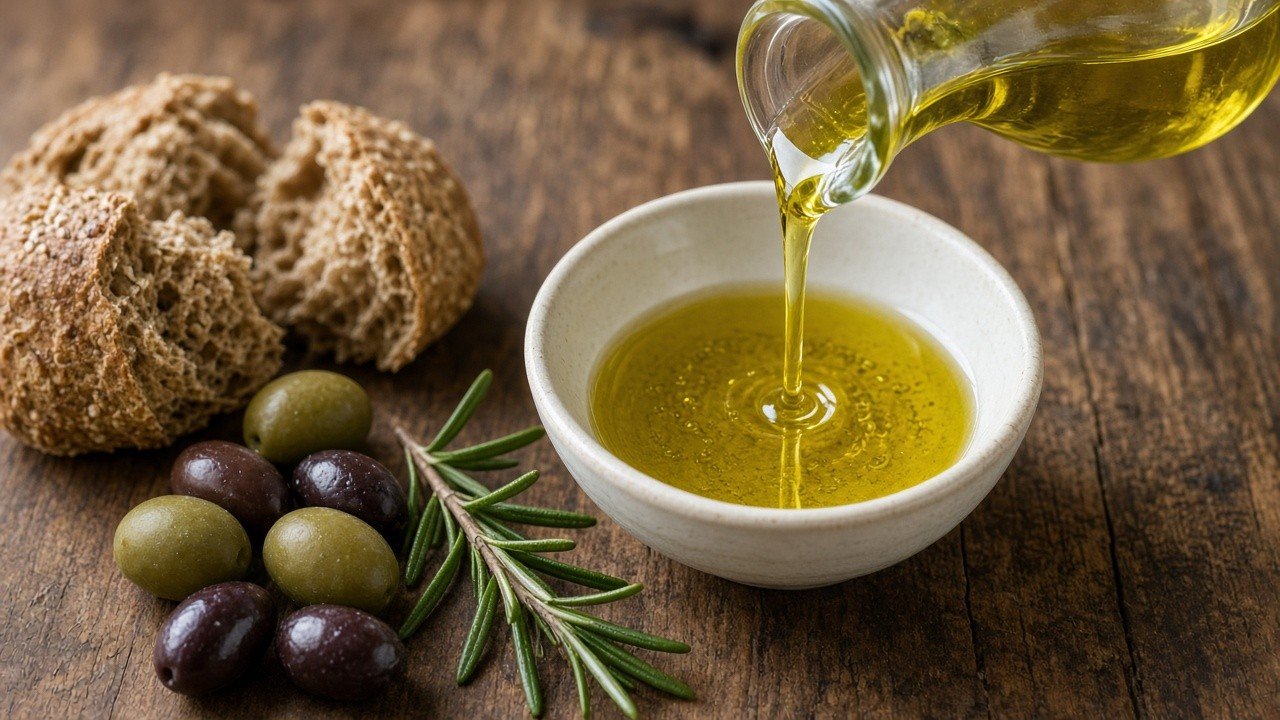
Why it may help: Extra-virgin olive oil is the main fat in the Mediterranean diet, which Mayo Clinic (opens in a new tab) describes as a heart-healthy eating plan. Studies show that replacing saturated fat with unsaturated fat lowers the risk of heart events such as heart attack and stroke. In the large PREDIMED trial, adults at high heart risk who followed a Mediterranean diet with extra-virgin olive oil had about 30% fewer major cardiovascular events than a comparison group, according to the New England Journal of Medicine (opens in a new tab).
How much and how to eat it: Use it as your main added fat: in salad dressings, drizzled over vegetables, or in place of butter when you cook. The Heart and Stroke Foundation (opens in a new tab) suggests 1 to 2 tablespoons of dressing on a salad. Olive oil is calorie-dense, so measure it rather than pouring freely.
Natural tip: Pick a bottle in dark glass or a tin, keep it away from the stove and sunlight, and use it within a few months of opening so it tastes fresh. Try it with whole-grain bread and olives as a simple Mediterranean snack.
Good to know: PREDIMED tested a whole Mediterranean eating pattern, not olive oil by itself. The original 2013 report was withdrawn and republished in 2018 after some participants were found not to have been randomly assigned. The republished results were similar, so the benefit belongs to the whole Mediterranean pattern, with olive oil as a key part of it.
Where to find it (affiliate link): Colavita Premium Selection Extra Virgin Olive Oil, 1 L glass bottle (opens in a new tab). A widely available extra-virgin olive oil in a glass bottle. Keep it away from heat and light. Check the current price on Amazon.ca.
2. Sardines and other fatty fish
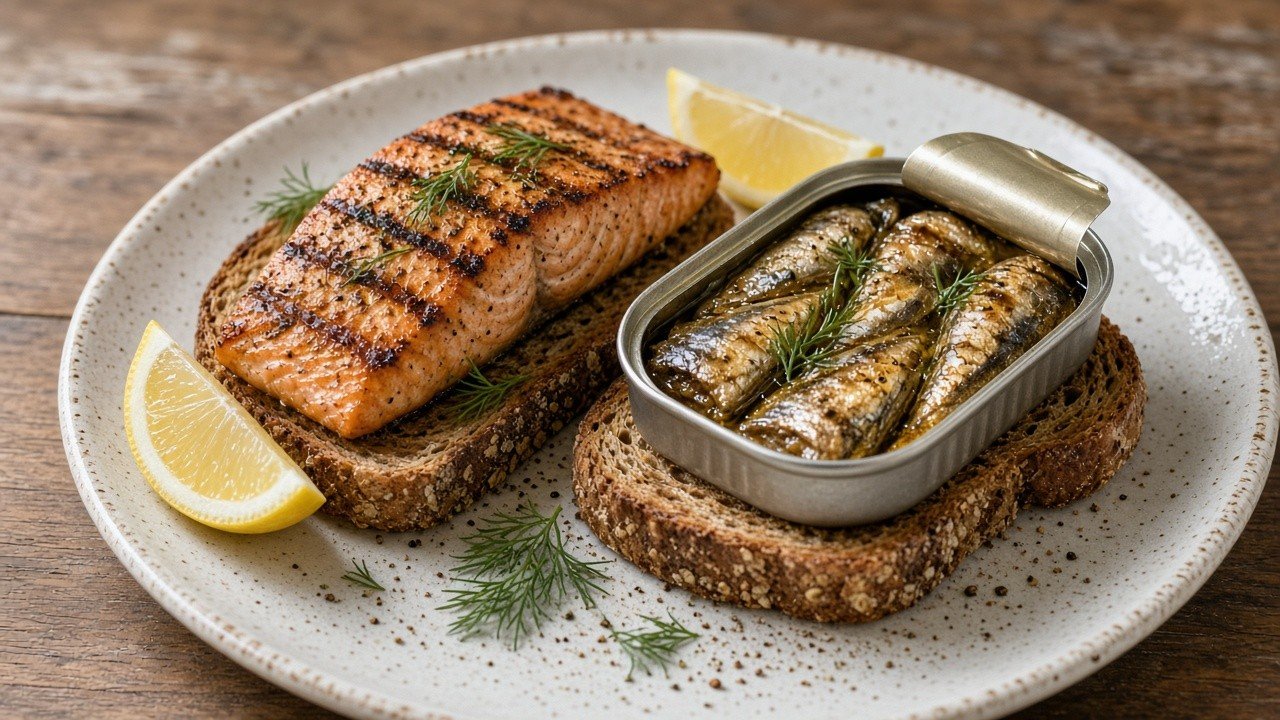
Why it may help: Fatty fish such as sardines, salmon, herring, mackerel and trout provide omega-3 fats. The American Heart Association (opens in a new tab) says that regularly eating fish and seafood is consistently associated with a lower risk of cardiovascular disease. Mayo Clinic (opens in a new tab) adds that omega-3s may lessen inflammation, help lower blood fats called triglycerides, and affect blood clotting.
How much and how to eat it: Aim for at least 2 servings of fish a week. A serving is about 3 ounces (85 grams) cooked, or about three-quarters of a cup of flaked fish. The Heart and Stroke Foundation (opens in a new tab) gives the same advice of at least two servings a week.
Natural tip: Canned sardines are an easy, affordable way to get there. Mash them on whole-grain toast with lemon and fresh herbs, or toss them through a salad. Choose lower-sodium tins when you can, and rotate between sardines, salmon, herring and trout for variety.
Good to know: Health Canada (opens in a new tab) lists herring, salmon, rainbow trout and Atlantic mackerel among fish that are higher in omega-3 fats and low in mercury, and its guidance has long named sardines as a good choice. Health Canada advises limiting fresh or frozen tuna, shark, swordfish, marlin, orange roughy and escolar to about 150 grams a week for most adults, with lower limits for pregnancy, breastfeeding and young children. See the Health Canada fish advice (opens in a new tab) for details.
3. Walnuts
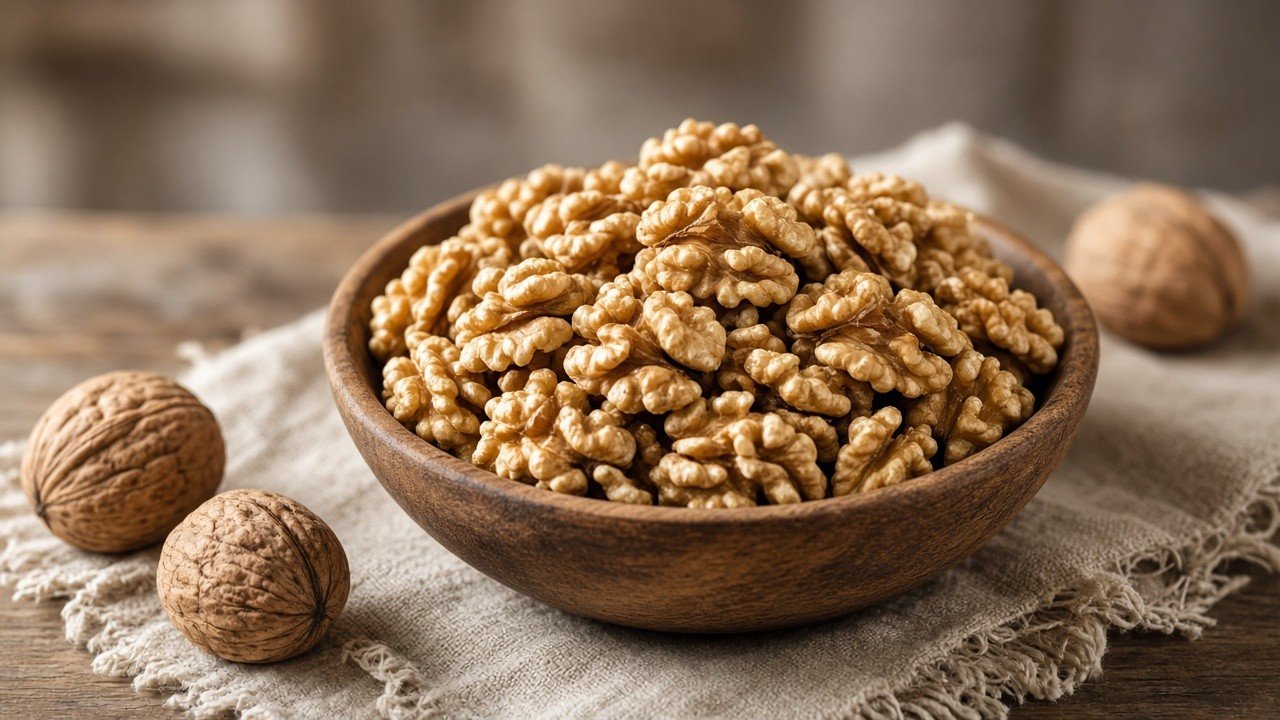
Why it may help: Walnuts are one of the few nuts that provide plant omega-3 fat, and the Heart and Stroke Foundation (opens in a new tab) lists them among its best sources of omega-3s. The Foundation also notes that studies show eating about a quarter cup of nuts a few times a week helps lower heart disease risk.
How much and how to eat it: A serving is about one quarter cup (50 mL), and the Heart and Stroke Foundation (opens in a new tab) suggests 2 to 3 servings a week. Mayo Clinic (opens in a new tab) recommends raw, unsalted nuts. Because nuts are calorie-dense, use them in place of less nutritious snacks rather than on top of them.
Natural tip: Keep walnuts in an airtight container in the fridge or freezer so their natural oils stay fresh. Sprinkle them over oatmeal, yogurt or salads, or toast a handful lightly without salt.
Where to find it (affiliate link): Yupik Raw Walnut Halves, 1 kg (opens in a new tab). Raw, unsalted and unroasted, which matches the Mayo Clinic advice above. It is a large bag, so store it in the fridge or freezer. Check the current price on Amazon.ca.
4. Ground flaxseed
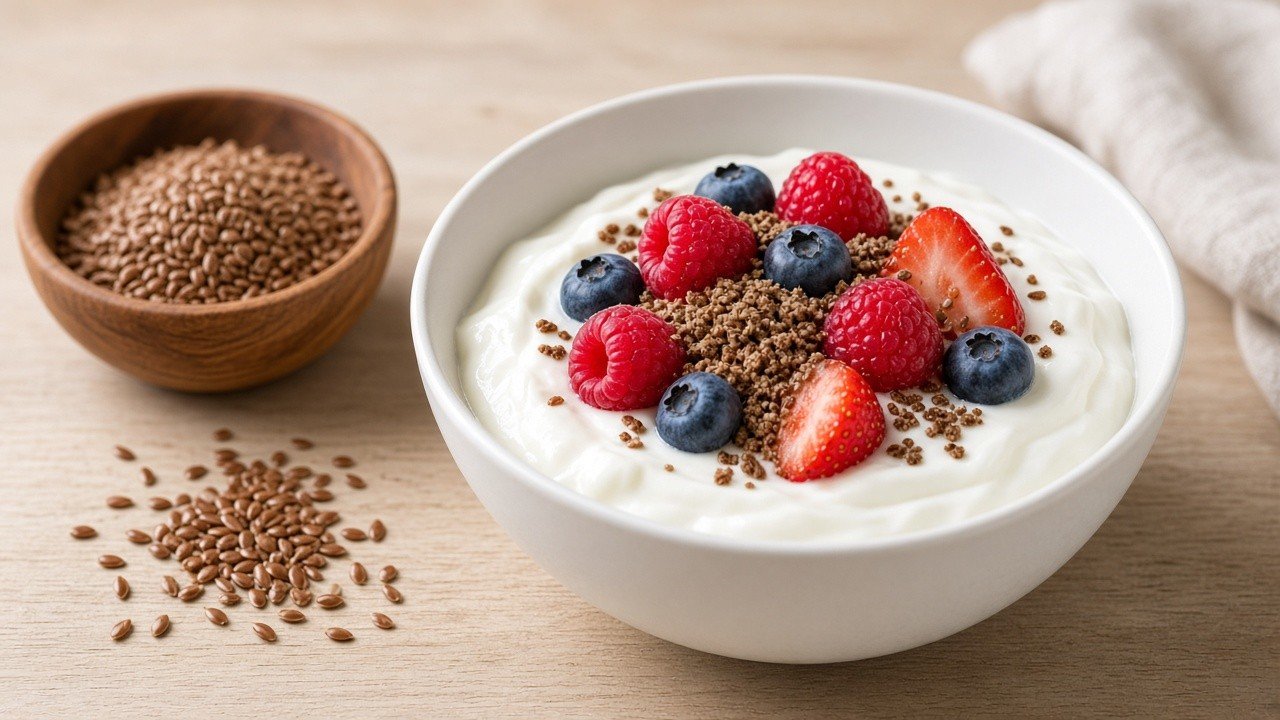
Why it may help: Ground flaxseed provides fibre, plant omega-3 fat (alpha-linolenic acid) and lignans. Health Canada (opens in a new tab) reviewed the evidence and concluded that the evidence supports a claim that ground whole flaxseed helps lower blood cholesterol, based on a daily amount of 40 grams. The trials it reviewed found a small average drop in total and LDL cholesterol. Separately, in a trial of 110 people with peripheral artery disease, those who ate 30 grams of milled flaxseed a day for six months had lower blood pressure than the placebo group, and the effect was seen mainly in people who started with high blood pressure, as reported in the journal Hypertension (opens in a new tab).
How much and how to eat it: The studies used about 30 to 50 grams a day, which is roughly 4 to 7 tablespoons. If you are new to flax, start with 1 to 2 tablespoons and build up over a couple of weeks, drinking plenty of water, since the extra fibre can surprise your digestion. Ground flaxseed is the form that was studied.
Natural tip: Stir it into yogurt, oatmeal or smoothies, or mix it into pancake and muffin batter. Store ground flaxseed in the fridge so its fats do not go stale.
Good to know: The blood pressure result comes from one trial in a specific group of patients, so it is promising rather than proven for everyone.
Where to find it (affiliate link): Viva Naturals Canadian-Made Organic Ground Flaxseed, 425 g (opens in a new tab). Already ground, so you do not need a grinder. Keep it in the fridge once opened. Check the current price on Amazon.ca.
5. Leafy greens and beets
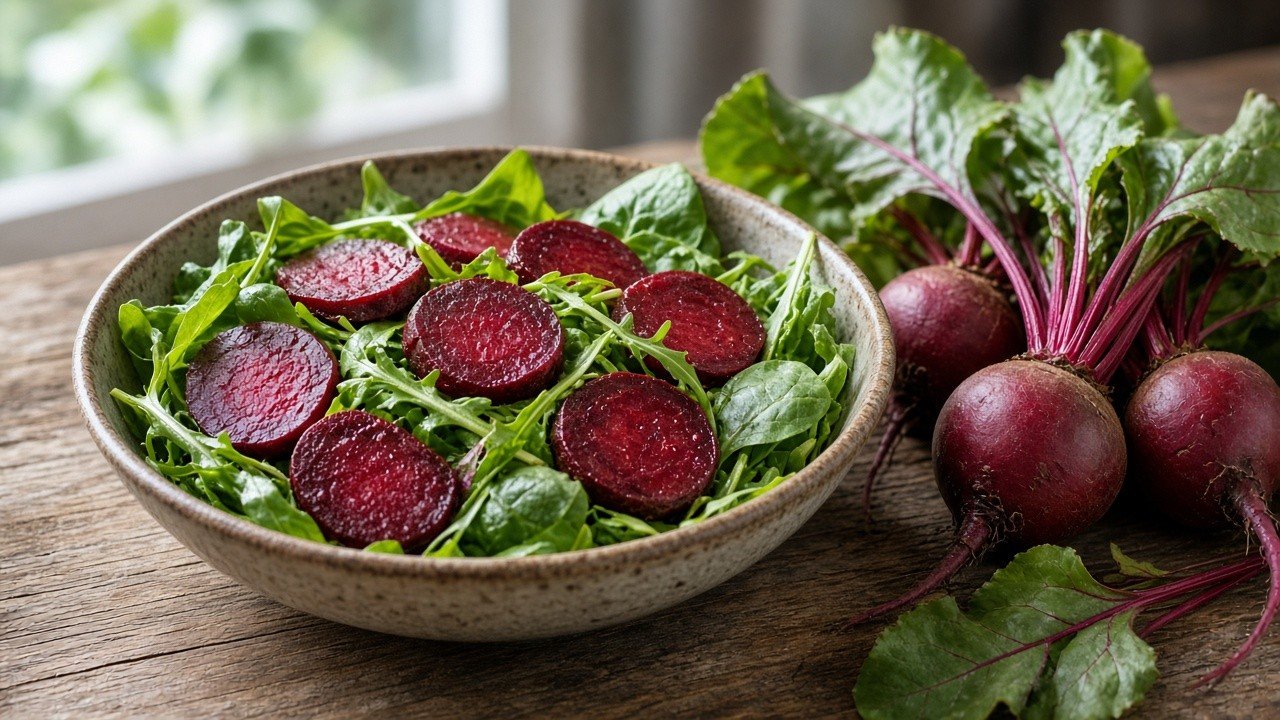
Why it may help: Arugula, spinach and beets are naturally rich in dietary nitrate, which your body can turn into nitric oxide, a molecule that helps blood vessels relax. A 2024 review of trials (opens in a new tab) found that beetroot juice lowered systolic blood pressure by about 5 mmHg in adults with high blood pressure, though it found no clear effect on diastolic pressure and rated the certainty of the evidence as low. The British Heart Foundation (opens in a new tab) notes that spinach, celery, kale and other vegetables also contain nitrates, so it is not clear that beetroot is uniquely special.
How much and how to eat it: Mayo Clinic (opens in a new tab) suggests four or more servings of vegetables a day on a Mediterranean-style diet, where two cups of leafy greens count as one serving. The trials in that review used beetroot juice supplying about 200 to 800 mg of nitrate a day, but there is no official recommended amount, and eating whole beets and greens is a better everyday habit.
Natural tip: Roast beets in the oven until tender, slice them over a bowl of raw arugula and spinach, and finish with olive oil and a squeeze of lemon. Whole vegetables give you fibre that juice leaves behind.
Good to know: A 150 mL glass of beetroot juice has around 10 grams of natural sugar and counts only once toward your daily vegetable and fruit servings, according to the British Heart Foundation.
6. Kiwi
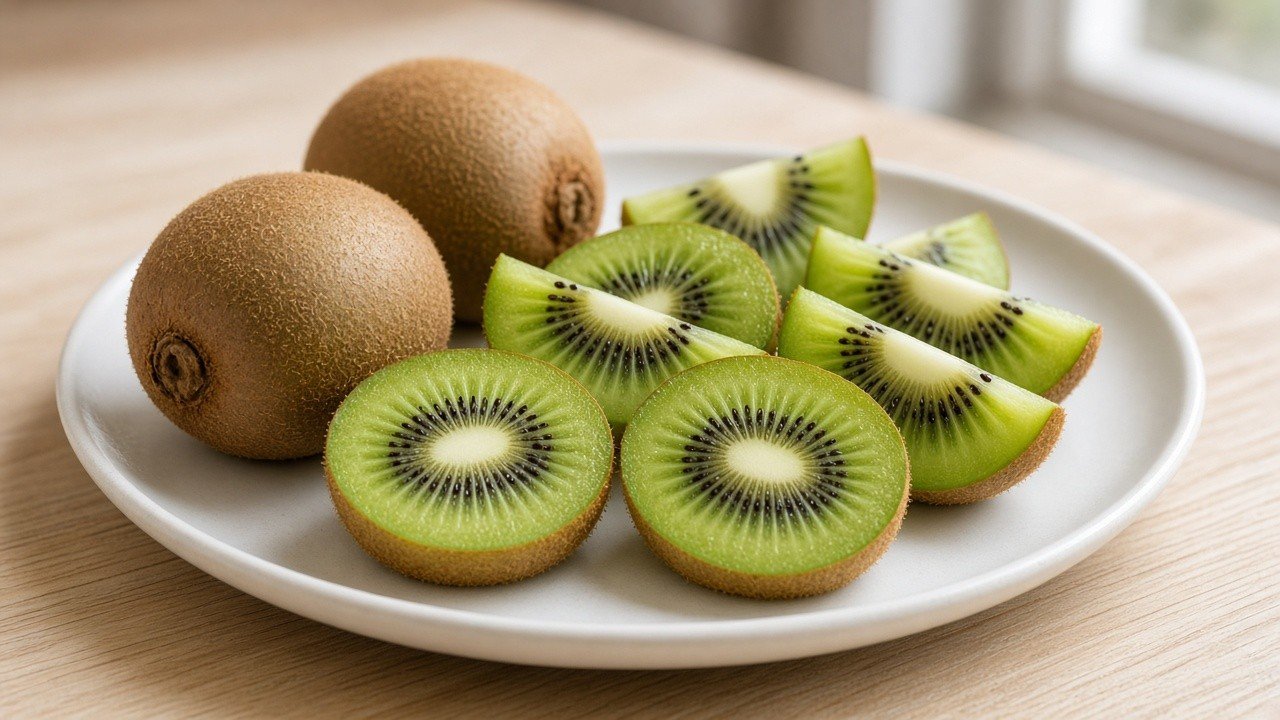
Why it may help: Kiwi has been tested in a few small trials. One eight-week study in male smokers found that eating three kiwifruit a day was linked to lower blood pressure and a 15% reduction in platelet aggregation, a measure of how readily blood cells clump, as published in the Journal of Human Hypertension (opens in a new tab). Another randomized study of people with mildly raised blood pressure compared three green kiwifruit a day with one apple a day, as published in the journal Blood Pressure (opens in a new tab), and reported that 24-hour blood pressure was about 4/2 mmHg lower (top and bottom numbers) in the kiwifruit group, although blood pressure readings taken in the clinic did not change.
How much and how to eat it: The trials used about three kiwifruit a day for eight weeks. That is a study dose, not a target. Enjoying one or two a day as part of your fruit servings is a pleasant, practical habit.
Natural tip: Cut a ripe kiwi in half and scoop it out with a spoon, or slice it onto yogurt, oatmeal or a spinach salad.
Good to know: The studies were small and short, and the blood pressure changes were modest, so kiwi is a nice addition to a heart-healthy diet rather than a treatment for high blood pressure.
7. Pomegranate
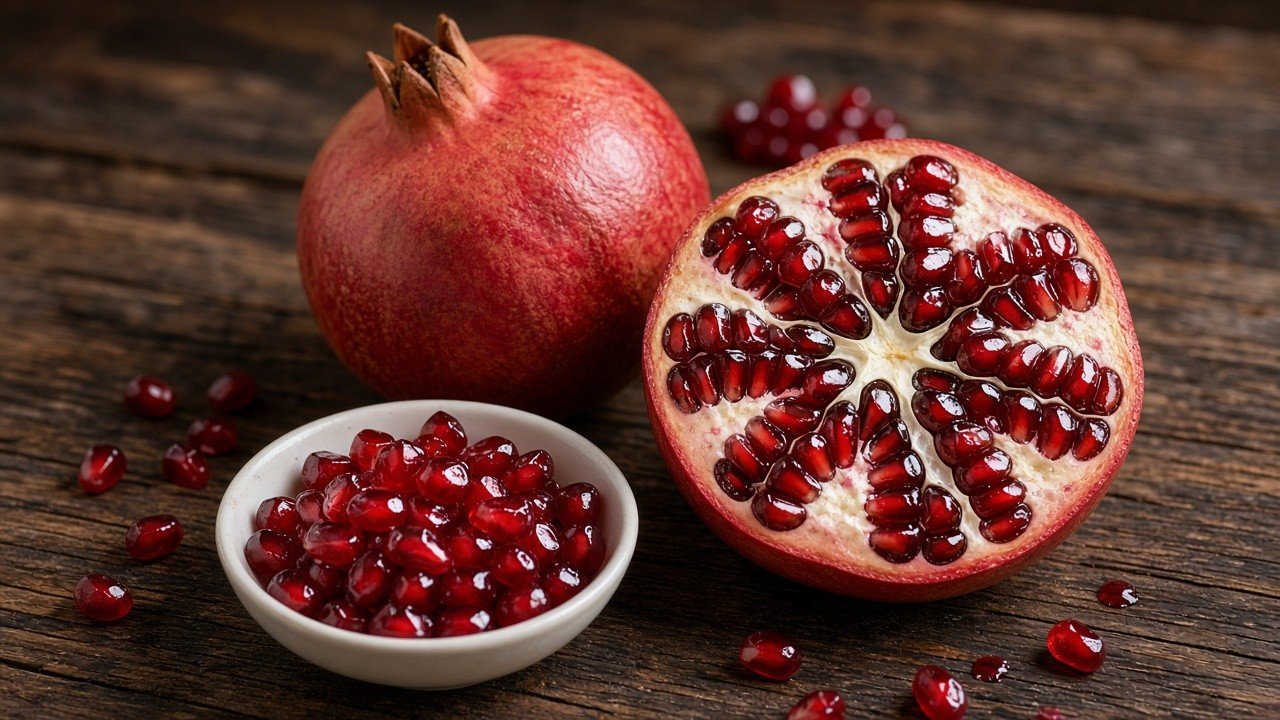
Why it may help: The U.S. National Center for Complementary and Integrative Health (opens in a new tab) says pomegranate juice or extract may be helpful in reducing blood pressure, but that more research is needed to confirm the effect, and that studies have not shown clear effects on cholesterol. Many of the studies have used pomegranate juice rather than dietary supplements.
How much and how to eat it: There is no official recommended amount. A small handful of arils (about one quarter cup) over salad or yogurt is a sensible portion. If you drink the juice, keep the glass small, because juice contains natural sugar and little fibre.
Natural tip: Whole arils give you the fibre that juice lacks. To free them, cut the fruit in half and tap the back with a wooden spoon over a bowl.
Good to know: If you take any medicine, check with your doctor or pharmacist before using pomegranate extract or large amounts of juice, as the NCCIH advises for herbal products. Pomegranate peel and root should not be eaten in large amounts.
8. Cacao and dark chocolate
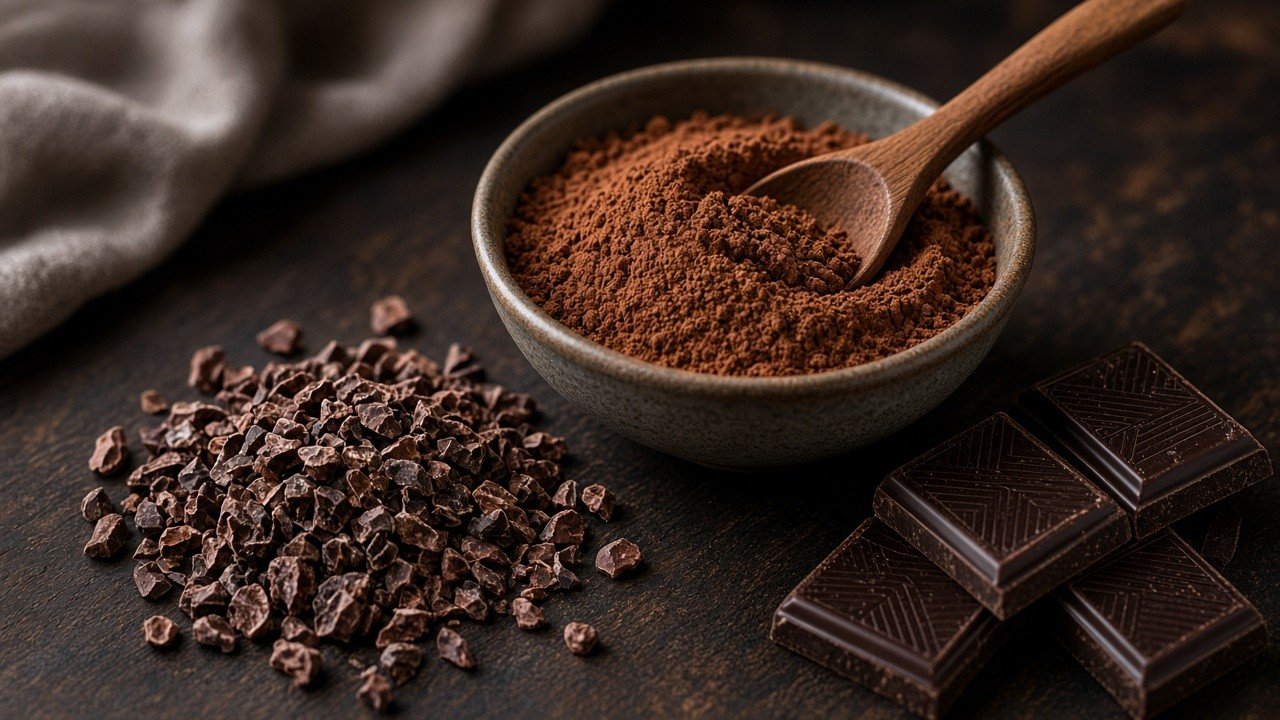
Why it may help: Cocoa is rich in plant compounds called flavanols that appear to support nitric oxide production in the lining of blood vessels, helping them relax and improve blood flow, according to Harvard’s Nutrition Source (opens in a new tab). In COSMOS, a large trial of more than 21,000 older adults, a daily cocoa flavanol supplement did not significantly reduce total cardiovascular events, the main goal of the study, but it was linked to fewer cardiovascular deaths. The researchers called the results promising but needing more study, as summarized by Brigham and Women's Hospital (opens in a new tab).
How much and how to eat it: Harvard suggests choosing dark chocolate that is 70% cocoa or higher and keeping it to about one ounce (28 grams) a day. Another option is to use 1 to 2 tablespoons of unsweetened natural cocoa powder in oatmeal or a smoothie, which adds flavour without the sugar.
Natural tip: Look for natural (non-alkalized) cocoa, because Dutch-processed cocoa loses a large share of its flavanols. Blend a spoonful with a frozen banana for a simple chocolate treat.
Good to know: Chocolate adds calories, sugar and some saturated fat. Dark chocolate and cocoa can also contain small amounts of cadmium and lead, so Harvard suggests choosing brands tested lower in heavy metals and eating even less if you are pregnant or feeding children. The COSMOS trial tested a supplement, so it does not prove that chocolate itself protects the heart.
Where to find it (affiliate link): Yupik Natural Cocoa Powder, 1 kg (opens in a new tab). Listed as natural and unsweetened, with cocoa powder as the only ingredient. The listing does not say whether the cocoa is tested for heavy metals, so check the maker’s website if that matters to you. Check the current price on Amazon.ca.
9. Garlic and aged garlic extract
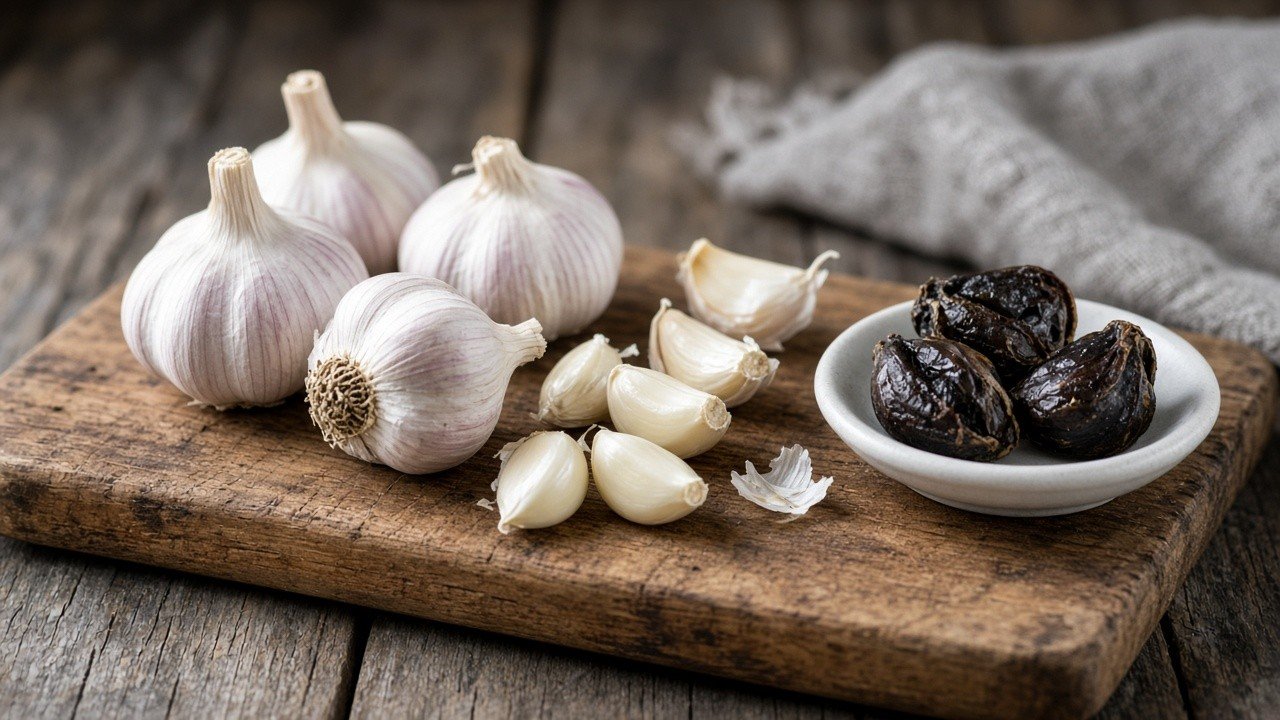
Why it may help: The U.S. National Center for Complementary and Integrative Health (opens in a new tab) reports that garlic supplements may lower total and LDL cholesterol to a small extent in people with high cholesterol, and that limited evidence suggests a small blood pressure reduction. In a one-year trial of 55 people with metabolic syndrome, those taking 2,400 mg of aged garlic extract a day had a reduction in one type of soft plaque (low attenuation plaque) in the heart arteries compared with placebo, as published in the Journal of Nutrition (opens in a new tab). The study did not find a difference in total plaque and did not show fewer heart attacks.
How much and how to eat it: Fresh garlic in everyday cooking is a flavourful way to use less salt. The research above used supplements, and there is no proof that ordinary garlic produces the same results. Talk with your doctor before taking an aged garlic extract.
Natural tip: Add minced garlic to vegetables, soups, beans and sauces. Black (aged) garlic is soft and sweet and can be spread on toast or stirred into dressings.
Good to know: Garlic supplements may increase the risk of bleeding, so tell your care team if you take them, especially before surgery or if you use blood thinners or aspirin. Garlic can also cause breath and body odour, gas, or an upset stomach, and some people are allergic.
10. Natto and fermented foods
Why it may help: Natto is a Japanese food of fermented soybeans. It is a rich source of vitamin K2 (menaquinone), the form of vitamin K found in fermented foods, according to the NIH Office of Dietary Supplements (opens in a new tab). The NIH says scientists are studying whether low vitamin K levels raise the risk of coronary heart disease, but that more research is needed. Natto is also the source of an enzyme called nattokinase, which is sold as a supplement. A review of six trials (opens in a new tab) found that nattokinase supplements lowered blood pressure slightly, by about 3.5 mmHg systolic and 2.3 mmHg diastolic. The same review found no clear cholesterol benefit, and some blood fat and blood sugar results were slightly worse.
How much and how to eat it: There is no official recommended amount of natto. If you enjoy it, a small serving with a meal is a reasonable starting point. For other fermented foods such as yogurt, kefir or sauerkraut, none of the sources we checked make a specific heart claim, so enjoy them for taste and variety.
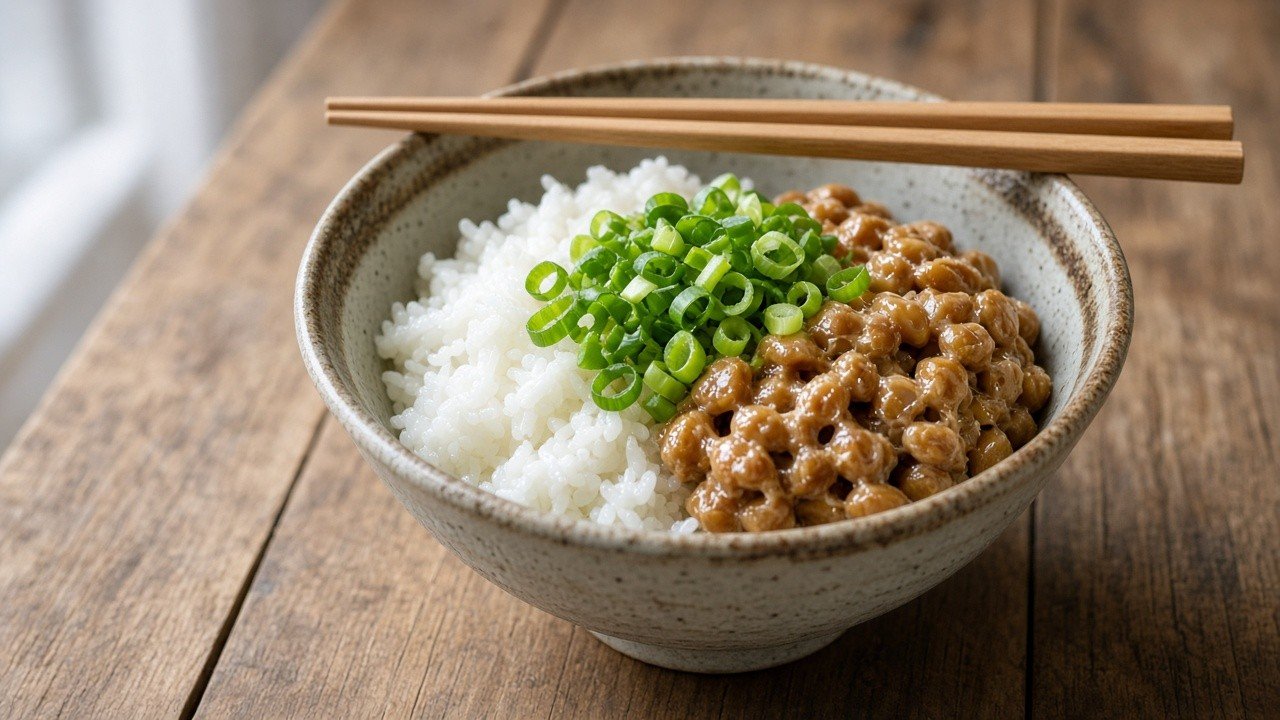
Natural tip: Serve natto over steamed rice with chopped green onion. The texture is sticky and the flavour is strong, so many people take a few tries to like it.
Good to know: Natto is very high in vitamin K, which can interfere with warfarin. If you take warfarin, ask your prescriber before eating it; many people on warfarin are advised to avoid it. Do not take nattokinase or garlic supplements unless your prescriber says it is safe, because they may add to bleeding risk. Memorial Sloan Kettering Cancer Center (opens in a new tab) advises against taking nattokinase if you use an anticoagulant or take aspirin daily. People with a soy allergy should avoid natto. Most of the research on this topic used nattokinase supplements, not the food, and a long-term trial in healthy adults found no effect of nattokinase on artery plaque progression.
Putting it together: a simple heart-friendly day
- Breakfast: plain yogurt with ground flaxseed, a sliced kiwi and a few walnuts.
- Lunch: a big salad of arugula, spinach and roasted beets, dressed with extra-virgin olive oil and lemon, with whole-grain bread.
- Snack: a small handful of pomegranate arils, or one or two squares of 70% dark chocolate.
- Dinner: salmon or sardines with vegetables sauteed in olive oil and garlic, twice a week. On other nights, try beans, lentils or natto over rice.
None of this needs to be perfect. Small, steady swaps add up. Staying active matters too: see how walking every day can add years to your life, and browse more ideas in our food is our medicine. If you are managing blood sugar, our guide to diabetes: what you should know is a helpful companion.
Medication and safety check
Before you add any of these foods or supplements, check with your doctor or pharmacist if you take any of the following:
- Warfarin: Natto is very high in vitamin K, which can interfere with warfarin. If you take warfarin, ask your prescriber before eating it; many people on warfarin are advised to avoid it. Leafy greens are also high in vitamin K, so keep your intake steady from week to week.
- Other blood thinners or daily aspirin: Do not take nattokinase or garlic supplements unless your prescriber says it is safe, because they may add to bleeding risk.
- Blood pressure medicine: foods and supplements that lower blood pressure may add to the effect of your medicine.
- Kidney disease, or medicine that raises potassium (such as ACE inhibitors, ARBs or some water pills): leafy greens, beets, kiwi, pomegranate and many other fruits and vegetables are rich in potassium, so ask your care team how much is right for you.
- Allergies: avoid any food you are allergic to, including soy (natto), tree nuts (walnuts) and fish.
Supplements are not regulated like drugs, and the research on them does not always apply to the food. Food first, and ask before adding a supplement.
When should you see a doctor?
Talk with a healthcare provider before changing your diet in a big way if you:
- Have high blood pressure, high cholesterol, diabetes or kidney disease
- Have a family history of heart disease or stroke
- Take blood thinners, aspirin, blood pressure medicine or cholesterol medicine
- Are pregnant, breastfeeding, or planning to give supplements to a child
Call 9-1-1 right away if you have chest pressure, squeezing, fullness or pain, especially with sweating, nausea, shortness of breath, or discomfort in the neck, jaw, arm or back. Also call 9-1-1 for signs of a stroke: a drooping face, an arm that cannot be raised, or slurred speech. The Heart and Stroke Foundation (opens in a new tab) lists the emergency signs.
Glossary
- Atherosclerosis: A slow build-up of fatty deposits called plaque inside the walls of arteries.
- Plaque: A mix of fat, cholesterol and other material that can narrow arteries over time.
- Blood pressure: The force of blood pushing on artery walls. Systolic is the top number, when the heart beats, and diastolic is the bottom number, between beats.
- LDL cholesterol: Often called bad cholesterol, because high levels are linked to plaque build-up.
- Triglycerides: A type of fat in the blood. High levels are linked to heart disease.
- Omega-3 fatty acids: Healthy polyunsaturated fats found in fatty fish, walnuts and flaxseed.
- Mediterranean diet: An eating pattern rich in vegetables, fruit, whole grains, legumes, nuts, fish and extra-virgin olive oil.
- Flavanols: Plant compounds in cocoa, tea and some fruits that may help blood vessels relax.
- Dietary nitrate: A natural compound in beets and leafy greens that the body can convert into nitric oxide.
- Nitric oxide: A molecule that helps blood vessels relax and widen.
- Vitamin K2: A form of vitamin K found in fermented foods such as natto.
- Nattokinase: An enzyme made during natto fermentation, sold as a supplement.
- Anticoagulant: A blood thinner, a medicine that slows blood clotting.
Frequently Asked Questions
Can any food clear or unclog your arteries?
No food has been shown to dissolve plaque from your arteries. What research does support is an overall eating pattern, such as the Mediterranean diet, that is linked to lower risk of heart attack and stroke. If you have heart disease or risk factors, your doctor’s plan and any prescribed medicine come first, and food is a helpful partner.
What is the single best food for heart health?
There is no single best food. Mayo Clinic and the Heart and Stroke Foundation both point to an overall pattern: plenty of vegetables, fruit, whole grains, beans, nuts, fish and unsaturated oils such as olive oil, with less processed food, red meat and added sugar. The ten foods here are tasty ways to build that pattern.
How much fish should I eat each week for my heart?
The American Heart Association recommends 2 servings of fish a week, especially fatty fish, with a serving being about 3 ounces (85 grams) cooked. The Heart and Stroke Foundation also advises at least two servings of fish each week. Health Canada says herring, salmon, rainbow trout and Atlantic mackerel are higher in omega-3 fats and low in mercury.
Can I eat these foods if I take warfarin or another blood thinner?
Ask your doctor or pharmacist first. Vitamin K affects how warfarin works. Leafy greens are high in vitamin K, so keep your intake steady rather than suddenly adding or removing them. Natto is very high in vitamin K, which can interfere with warfarin. If you take warfarin, ask your prescriber before eating it; many people on warfarin are advised to avoid it. Do not take nattokinase or garlic supplements unless your prescriber says it is safe, because they may add to bleeding risk.
Is dark chocolate good for your heart?
Cocoa contains plant compounds called flavanols that may help blood vessels relax, and Harvard’s Nutrition Source suggests choosing chocolate that is 70% cocoa or higher and keeping it to about one ounce a day. A large trial of a cocoa flavanol supplement did not significantly lower total cardiovascular events, so think of chocolate as a small treat, not a heart treatment.
When should I see a doctor about my heart health?
See a healthcare provider if you have high blood pressure, high cholesterol, diabetes, a family history of heart disease, or questions about changing your diet while on medication. Call 9-1-1 right away for chest pressure or pain, trouble breathing, or signs of a stroke such as a drooping face, weak arm or slurred speech.
Sources
- Mayo Clinic: Mediterranean diet for heart health (opens in a new tab)
- New England Journal of Medicine: Primary prevention of cardiovascular disease with a Mediterranean diet supplemented with extra-virgin olive oil or nuts (PREDIMED, 2018) (opens in a new tab)
- American Heart Association: Fish and omega-3 fatty acids (opens in a new tab)
- Health Canada: Mercury in fish (opens in a new tab)
- Health Canada: Revised assessment of mercury in fish and Canada’s Food Guide advice (opens in a new tab)
- Heart and Stroke Foundation of Canada: Protein (opens in a new tab)
- Heart and Stroke Foundation of Canada: Fats and oils (opens in a new tab)
- Heart and Stroke Foundation of Canada: How to build a heart-healthy plate (opens in a new tab)
- Heart and Stroke Foundation of Canada: How to build a better salad (opens in a new tab)
- Heart and Stroke Foundation of Canada: Eating (Living Well with Heart Disease) (opens in a new tab)
- Heart and Stroke Foundation of Canada: Emergency signs, when to call 9-1-1 (opens in a new tab)
- Health Canada: Assessment of a health claim about ground whole flaxseed and blood cholesterol lowering (opens in a new tab)
- Hypertension journal (2013): Potent antihypertensive action of dietary flaxseed in hypertensive patients (FlaxPAD trial) (opens in a new tab)
- Beetroot juice and blood pressure in hypertension: systematic review and meta-analysis (2024) (opens in a new tab)
- British Heart Foundation: Can beetroot juice lower blood pressure? (opens in a new tab)
- Journal of Human Hypertension: Kiwifruit decreases blood pressure and whole-blood platelet aggregation in male smokers (opens in a new tab)
- Blood Pressure: The effect of kiwifruit consumption on blood pressure in subjects with moderately elevated blood pressure (opens in a new tab)
- NIH National Center for Complementary and Integrative Health: Pomegranate (opens in a new tab)
- Harvard T.H. Chan School of Public Health, The Nutrition Source: Dark chocolate (opens in a new tab)
- Brigham and Women’s Hospital: COSMOS cocoa flavanol trial results (opens in a new tab)
- NIH National Center for Complementary and Integrative Health: Garlic (opens in a new tab)
- Journal of Nutrition: Aged garlic extract and low attenuation plaque in metabolic syndrome (PubMed) (opens in a new tab)
- NIH Office of Dietary Supplements: Vitamin K, fact sheet for consumers (opens in a new tab)
- Memorial Sloan Kettering Cancer Center: Nattokinase (opens in a new tab)
- Nattokinase supplementation and cardiovascular risk factors: systematic review and meta-analysis (opens in a new tab)
Medical disclaimer: This article is for educational and informational purposes only. It is not medical advice and it is not a substitute for diagnosis or treatment from a qualified healthcare professional. No food or supplement mentioned here is intended to diagnose, treat, cure, or prevent any disease, and foods do not clear or unclog arteries. Talk with your doctor before changing your diet or taking a supplement, especially if you take medication. Do not stop any prescribed medicine without medical advice. In an emergency, call 9-1-1.
Last updated: 20 November 2026. More health reading: Beauty of Health home, and more in our Health and Wellbeing category.